
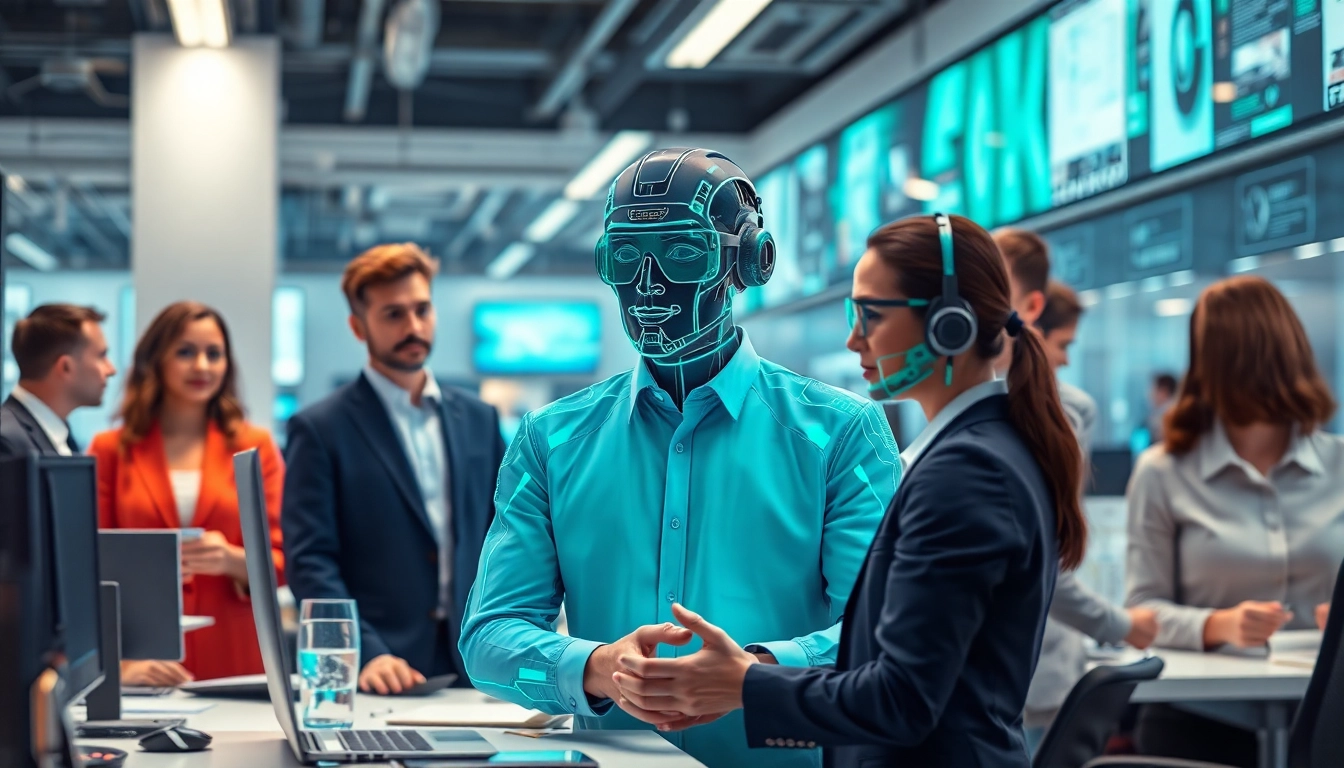
Understanding the AI Employee
The modern workplace is rapidly evolving, aided by advancements in technology. One of the most exciting developments in recent years is the introduction of AI Employee, a concept that blends artificial intelligence with traditional employee roles. This innovative approach not only streamlines operations but also enhances productivity by automating tasks that were once manual. The following sections will delve into the definition, functionality, and benefits of the AI Employee, positioning it as a game-changer for businesses.
Definition and Functionality of AI Employee
An AI Employee is essentially an artificial intelligence system designed to perform tasks that typically require human intervention. This might include data entry, scheduling, customer service queries, and more. Unlike ordinary software, AI Employees are equipped with advanced learning algorithms that allow them to adapt and optimize their performance over time. They can analyze vast amounts of data, recognize patterns, and even learn from experiences to improve their efficiency and accuracy. This level of functionality makes them invaluable assets to businesses looking to improve their operational efficiency.
Benefits of Incorporating AI Employee
Integrating AI Employees into the workplace brings a plethora of benefits. For one, they can significantly reduce operational costs by limiting the need for human labor on repetitive tasks. Additionally, AI Employees can work round-the-clock without fatigue, further enhancing productivity. Organizations can also leverage them to process data and generate insights at speeds unattainable by human workers. Furthermore, they enable better customer interactions by providing quick and personalized responses. Overall, the incorporation of AI Employees leads to improved efficiency and customer satisfaction.
AI Employee vs. Human Workers
While AI Employees bring numerous advantages, it's essential to recognize the unique strengths that human workers possess. Human employees excel in areas requiring creativity, emotional intelligence, and nuanced decision-making. AI Employees, on the other hand, thrive on repetitive tasks and data-driven responsibilities. This distinction leads companies to adopt a hybrid approach, leveraging both AI Employees and human staff to maximize productivity while ensuring that tasks requiring a personal touch are still handled by people. This collaborative model can set organizations up for success in the future.
Key Features of AI Employee
Automation of Routine Tasks
The ability to automate routine tasks is one of the most significant features of an AI Employee. Many organizations face challenges managing repetitive tasks, leading to inefficiencies and employee burnout. By deploying AI Employees, businesses can streamline operations, allowing human staff to focus on higher-value activities. For example, tasks such as data entry and appointment scheduling can be managed seamlessly by AI, reducing errors and freeing employees for more strategic roles.
Data Processing and Analysis
AI Employees are particularly adept at data processing. In today's data-driven environment, organizations generate enormous quantities of information. AI capabilities allow for rapid analysis and interpretation of this data, supporting better decision-making. This enhanced analytical capacity can uncover trends and insights that would be overwhelming for human analysts, thereby leading to proactive strategies rather than reactive measures.
Facilitating Communication and Collaboration
Another core feature of AI Employees is their ability to facilitate communication and collaboration within teams. Through the use of AI chatbots and virtual assistants, organizations can ensure that team members have access to the information and support they need at all times. This enhances collaboration, as employees can quickly resolve issues or find the data they require, leading to smoother project execution and improved team dynamics.
Implementing AI Employee in Your Business
Identifying Suitable Tasks for AI Employee
The first step in implementing AI Employees involves identifying the tasks they can take over. Not all tasks are suitable for automation, but many repetitive and time-consuming duties, such as data entry, basic customer service, and routine reporting, can be excellent candidates. Conducting an audit of current workflows can help pinpoint where AI Employees will add the most value.
Choosing the Right Technology Platform
Choosing the appropriate technology platform is crucial for successful implementation. Businesses should evaluate different AI tools and software that align with their specific needs. This may include platforms that offer natural language processing for customer interaction or advanced analytics capabilities for decision-making. Prioritize functionality, ease of integration, user support, and scalability in your selection process.
Training and Integration Strategies
Once you've chosen the right technology, focus on training and integrating AI Employees effectively. Employees should be educated on how to work alongside AI systems, ensuring smooth collaboration. Creating comprehensive onboarding programs that outline expectations, system functionalities, and troubleshooting techniques will help ease any transition concerns and encourage user acceptance among human staff.
Challenges and Considerations
Cost of Implementation
One challenge businesses may face when incorporating AI Employees is the initial cost of implementation. While AI technology can lead to long-term savings, upfront expenses related to software acquisition, training, and infrastructure upgrades can be significant. It is crucial for businesses to conduct a thorough cost-benefit analysis to determine if the potential savings in operational efficiencies justifies these initial investments.
Managing Employee Expectations
Successfully implementing AI Employees requires clear communication with existing staff about what to expect from AI tools. There may be fears of job displacement or resistance to change that leaders must address. Setting realistic expectations regarding AI's role can alleviate concerns and highlight the opportunities for collaboration, ensuring employees realize how AI can empower rather than replace their roles.
Security and Privacy Concerns
Data security and privacy issues are paramount when implementing AI Employees, especially when they handle sensitive information. Organizations must ensure robust cybersecurity measures are in place to protect data integrity. Compliance with privacy regulations and ethical guidelines is also crucial to maintaining trust with customers and employees alike. Regular audits and proper monitoring of AI systems will help safeguard against potential risks.
Future Trends of AI Employee in Workplaces
Growing Role of AI in Different Industries
The role of AI Employees is expected to expand across various industries. More sectors, including healthcare, finance, and retail, are beginning to explore applications for AI-driven automation. As the technology progresses, particularly in areas like machine learning and natural language processing, organizations can expect even more sophisticated AI capabilities to emerge, further enhancing operational performance and customer satisfaction.
AI Employee Development and Enhancements
Future iterations of AI Employees will likely include even smarter algorithms, improving their learning capabilities and analytical performance. Enhanced natural language processing will enable AI Employees to communicate more effectively, allowing for seamless interactions with customers and team members. Regular updates and upgrades will ensure the AI systems remain competitive and capable of meeting evolving business needs.
Adapting to Changes in Workforce Dynamics
As AI Employees become more prominent, organizations must adapt to changes in workforce dynamics. This includes re-evaluating and restructuring job roles, enhancing skill development for human employees, and creating a supportive environment for collaboration between humans and AI. Developing a culture that embraces innovation and change will be key in navigating the future workforce landscape successfully.
Frequently Asked Questions
What are AI Employees?
AI Employees are automated systems that perform specific tasks traditionally handled by human workers, optimizing efficiency through data processing and analysis.
Can AI Employees replace human workers?
AI Employees are designed to augment human capabilities, not replace them. They handle repetitive tasks, allowing humans to focus on more complex responsibilities.
What industries benefit from AI Employees?
Various industries, including healthcare, finance, and customer service, benefit from AI Employees by enhancing efficiency and improving service delivery.
How do I choose the right AI platform?
Elicit your business needs, evaluate available technologies for features and integrations, and prioritize user support and scalability when choosing an AI platform.
What are the privacy concerns with AI Employees?
Integrating AI Employees raises concerns around data security. Organizations must ensure compliance with privacy regulations to protect sensitive information from breaches.